
Baby And Child First Aid: Essential Knowledge For Parents
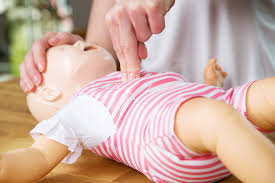
The safety and well-being of a child are the top priorities for any carer. Accidents may occur in a split second, and being prepared can make all the difference. Training in baby and child first aid gives parents, educators, and other carers the ability to respond swiftly and efficiently in an emergency. Knowing how to handle situations like burns, choking, allergic reactions, and CPR might save a child’s life.
The Significance Of Infant And Child First Aid
Due to their innate curiosity and spirit of adventure, children and newborns are more likely to sustain injuries. A simple day might become a disaster if someone unexpectedly has an allergic response, falls off the sofa, or swallows something tiny. Here’s where First Aid Courses Hobart come in very handy. These courses provide practical learning opportunities, teaching carers how to identify and handle a variety of situations in a composed and effective manner. Stabilising the situation and preventing more injury until expert assistance comes are the two main objectives.
Handling Emergencies Involving Choking
For children, especially those under five, choking is one of the most frequent crises. Being able to react in a matter of seconds is essential. It is important that carers get age-appropriate training in methods like abdominal thrusts for older kids and back blows for babies. Participants in first aid training Hobart learn how to properly clear airways by using the appropriate pressure and placement. When it counts most, this useful information guarantees that carers maintain their composure and confidence.
How To Identify And Handle Burns
Quick burns may result from coming into contact with hot objects, liquids, or even from extended sun exposure. Quick intervention is essential for successful burn treatment. Before applying a sterile bandage to avoid infection, chill the injured area under running water for at least 20 minutes. Ice and homemade treatments like butter should be avoided since they might exacerbate the condition. These crucial actions are covered in first aid training Hobart courses, which also educate students on how to recognise various burn severity levels and when to seek medical help.
Performing CPR On Infants And Children
The ability to do cardiopulmonary resuscitation (CPR) is one of the most important abilities that every carer should possess. Because they are smaller and have more fragile anatomy than adults, babies and young children need a modified form of CPR. Using the correct hand positioning, first aid educators explain how to conduct rescue breaths and gentle compressions. Carers can respond without hesitation in the event of an emergency by practising these actions, which help to create muscle memory.
Dealing With Anaphylaxis And Allergic Reactions
Children are becoming more and more prone to allergies, and serious responses may happen quickly. It’s critical to understand how to recognise the early warning symptoms of anaphylaxis, which include swelling, hives, or breathing difficulties. Training on how to use an epinephrine auto-injector and contact emergency services right away should be provided to carers. Parents and educators who sign up for First Aid Courses Hobart learn how to make their homes safer and how to act fast in the event that a child has an allergic reaction.
Handling Injuries And Bleeds
Although cuts and scrapes happen often, it’s crucial to take good care of your wounds to avoid infection. Initially, the wound must be cleaned, sterile bandages applied, and light pressure applied. But serious wounds or those from soiled items need to be evaluated by a specialist. With first aid training in Hobart, participants learn how to stop bleeding and preserve cleanliness while avoiding typical blunders like using powerful antiseptics or filthy materials.
Growing Self-Assured And Prepared
By enrolling in a recognised first aid course, carers gain confidence and expertise. Knowing what to do in an emergency gives them the confidence to remain calm and provide prompt, efficient treatment. Educating themselves on first aid improves the mental health and feeling of accountability of many parents. At home, school, or on excursions, skilled carers are able to make quick, well-informed judgements that save the lives of children.
In Conclusion
Every carer should be prepared by knowing how to provide first aid to babies and children. Although they cannot always be avoided, emergencies may have far better results with the correct training. Carers may develop the capacity to respond quickly and empathetically in emergency situations by enrolling in First Aid Courses Hobart or receiving professional first aid training Hobart. Taking the time to master these fundamental skills is one of the best investments anybody can make in the safety and well-being of children.
also read: New to the Richmond, VA Area? Here Are Some Great Hiking Locations


