
Kilimanjaro Without Fear: A First-Timer’s Journey to the Summit
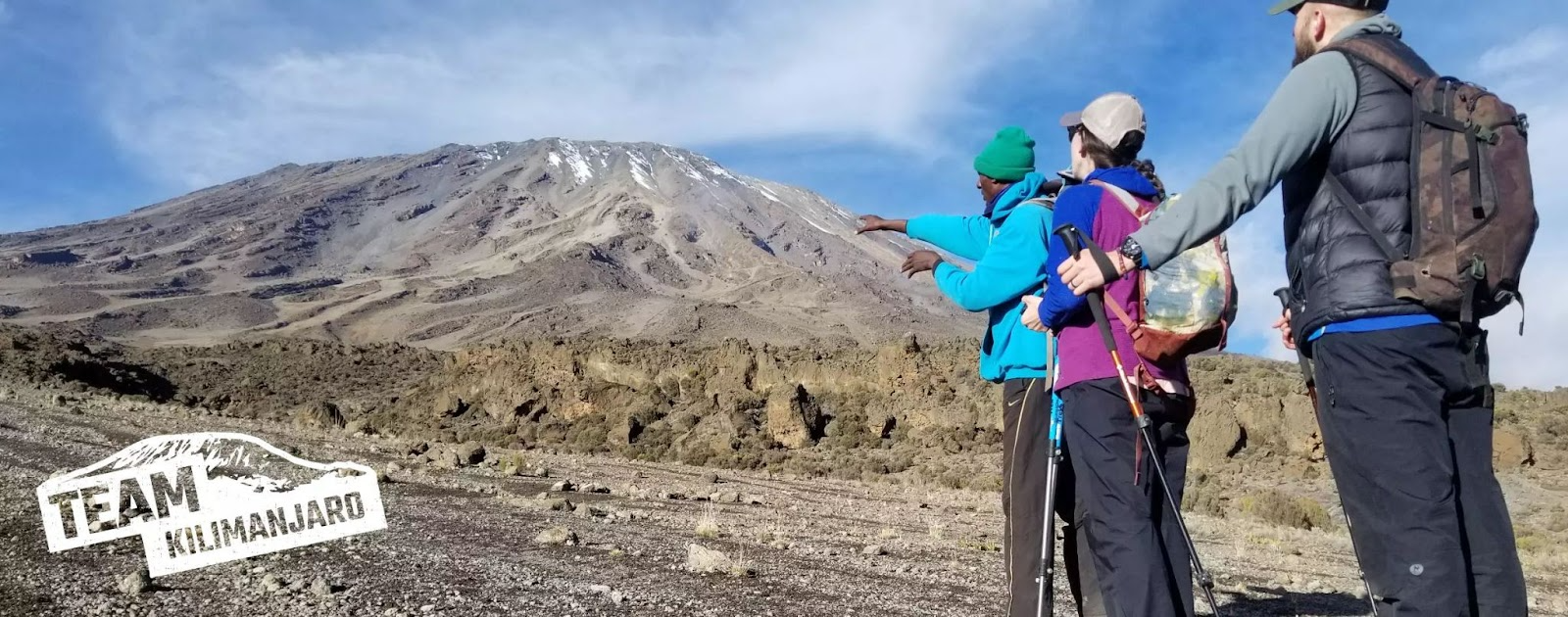
People talk about Kilimanjaro as if it’s an untouchable giant. And yes, it’s Africa’s highest mountain, standing proud at 5,895 meters. But the truth is, normal people climb it every year. Students, grandparents, first-time trekkers — all walk slowly upward until they stand on the roof of Africa.
This is my first-timer’s story, mixed with practical tips on climbing Kilimanjaro, how long it takes, and the best time to climb Kilimanjaro.
Why Kilimanjaro Feels Big but Friendly
The first sight of Kilimanjaro is overwhelming — three volcanic cones rising above the clouds: Kibo, Mawenzi, and Shira. At first, it looks impossible. But then you notice who else is there: teachers, students, travelers from around the world, none of them superhuman. They move slowly, laugh at camp, and still reach the top.
That’s when you realize: Kilimanjaro isn’t an enemy. It’s like a patient old giant, waiting for you to climb at your own pace.
Taking the First Steps
Unlike other high peaks, climbing Kilimanjaro requires no ropes or ice axes. It is trekking, pure and simple — but trekking at altitude. The rule is “pole pole” — Swahili for “slowly, slowly.” Each step feels heavy, but each step brings you closer.
I chose the Machame Route:
- Day 1 – Rainforest alive with monkeys and birds.
- Day 2 – Moorland and open skies.
- Day 3 – Alpine desert, sun strong, air thin.
- Day 4 – Base camp, barren and cold under sharp stars.
- Day 5–6 – Summit night, beginning at midnight with headlamps glowing, then sunrise at Uhuru Peak.
Every day, the mountain changes. And every day, so did I.
How Long Does It Take to Climb Kilimanjaro?
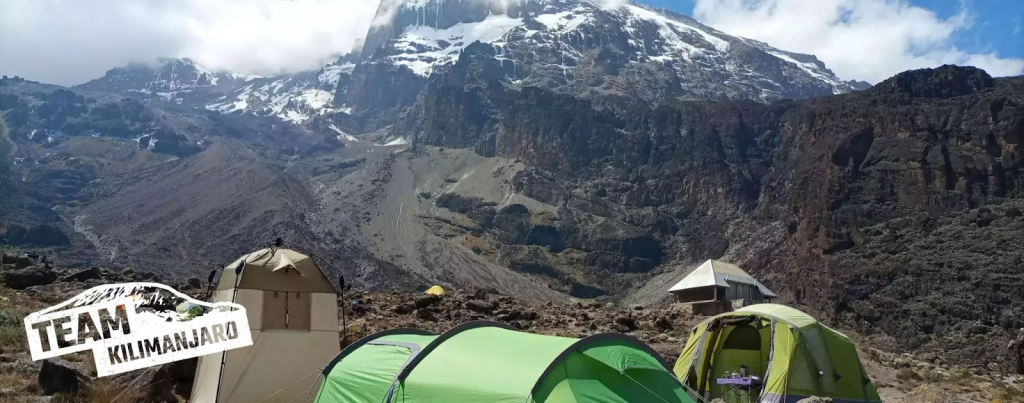
The first question people ask me was, “how long does it take to climb Kilimanjaro?”
It depends on your route:
- Marangu: 5–6 days
- Machame: 6–7 days
- Lemosho: 7–8 days
- Northern Circuit: 8–9 days
Shorter itineraries are harder — less time for the body to adjust. Most climbers succeed on 7–9 day treks. I chose seven days, and it gave me time to breathe, to rest, and to enjoy.
Summit night was the hardest. Waking at midnight in the freezing wind, we moved step by step. My guide whispered “pole pole”. At Stella Point, the first rays of sun broke the horizon. Tears came before I even reached Uhuru Peak.
Best Time to Climb Kilimanjaro
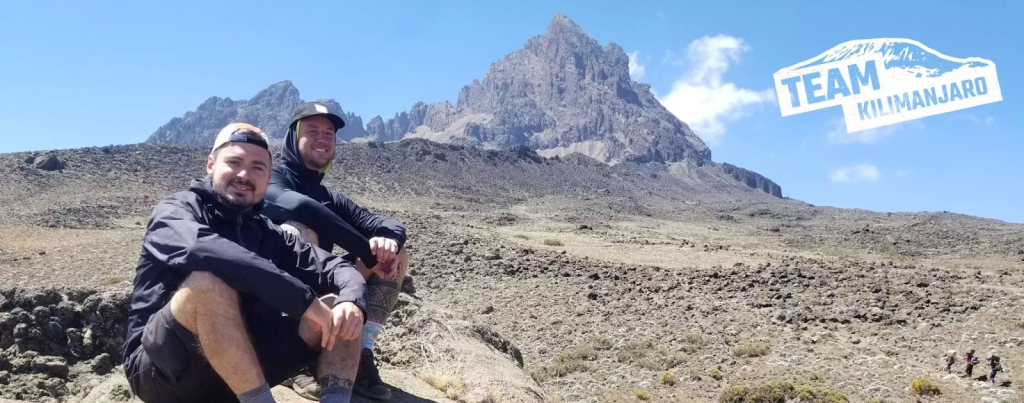
The other big question: when is the best time to climb Kilimanjaro?
- June to October – Dry, sunny, popular.
- December to February – Clear skies, slightly warmer.
- March to May – Long rains, muddy and cloudy but quiet.
- November – Short rains, fewer people.
I climbed in August: blue skies by day, diamond stars at night, strong winds at the summit but perfect views.
Breaking Fear
I was afraid: of altitude sickness, of failing, of being too weak. But fear melts with each step. Guides check your oxygen, offer tea, and sing songs that lift your heart. One dizzy day, my guide slowed me down and told stories of his village. By summit morning, fear was gone — replaced with awe.
Life on the Mountain
The camps have their own rhythm:
- Lower camps – birdsong and forest smells.
- High camps – only wind and starlight.
Meals are simple but warming — soup, rice, vegetables. Appetite fades at altitude, but eating keeps you strong. Sleep is hard some nights, but laughter from porters outside your tent reminds you you’re part of a team.
Summit night is sleepless, but magical.
People You Meet
On Kilimanjaro, strangers become family. I walked with a woman from Canada, a man from South Africa. We shared snacks and stories. When one slowed, the others waited. Porters carried heavy loads yet still sang. You learn humility on this mountain.
Tips for First-Timers
- Go slow — altitude is the real challenge.
- Drink water — dehydration worsens sickness.
- Trust your guide — they know what safety means.
- Pack light — let porters carry heavy loads.
- Train — hills, stairs, long walks with a pack.
Why Kilimanjaro Stays in the Heart
When I look back, Kilimanjaro wasn’t about fear, but about transformation. The mountain became a mirror — reflecting my limits, my hopes, and my strength.
Climbing Kilimanjaro showed me that ordinary people can do extraordinary things.
Conclusion
This story has shared both my journey and the answers people ask most: how long does it take to climb Kilimanjaro and the best time to climb Kilimanjaro.
Fear is natural, but the mountain is patient. Step by step, anyone can reach the top of Africa. You walk, you breathe, you push forward — and finally, you stand at Uhuru Peak, smiling at the wide-open sky.
Read Also: How Group Travel Can Enhance Your Spiritual Journey


