
Scuba Diving Courses in the UK: How to Find the Right Diving Lessons Near You
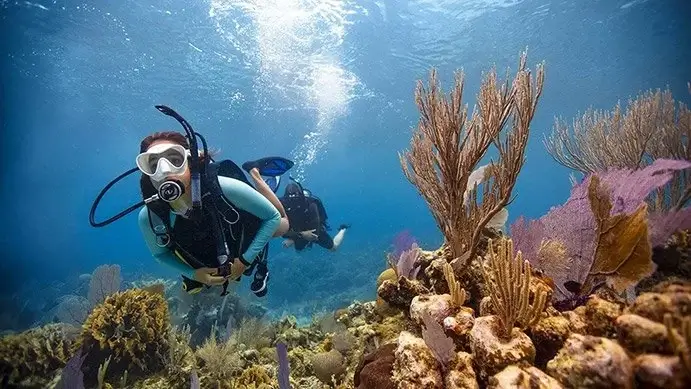
Scuba diving has a reputation for being something you do on holiday — a one-time bucket list tick in the Red Sea or the Great Barrier Reef. What surprises most people is that the UK has a genuinely thriving diving scene, with some of the most interesting wrecks, marine life, and underwater landscapes in Europe sitting right on our doorstep. And it all starts with finding the right scuba diving course.
Do You Actually Need a Course?
Yes — and this isn’t just a formality. Scuba diving involves breathing compressed air underwater, managing buoyancy, and dealing with pressure changes that your body isn’t naturally built for. Without proper training, even a relatively shallow dive can go wrong quickly.
Every reputable dive operator in the UK — and internationally — will require you to hold a recognised certification before they’ll let you dive independently. The two most widely accepted are PADI (Professional Association of Diving Instructors) and BSAC (British Sub-Aqua Club). Between them, these organisations have certified millions of divers worldwide, and their standards are broadly recognised at dive sites across the globe.
The good news? A beginner scuba diving course is more accessible than most people expect — both in terms of cost and the time commitment involved.
Types of Scuba Diving Courses in the UK
Try Dive / Discover Scuba Diving This is the entry point for absolute beginners — a single session, usually two to three hours, that gives you a supervised taste of breathing underwater in a pool or confined water setting. No certification is awarded, but it’s an excellent way to find out whether diving is for you before committing to a full course.
Open Water Certification (PADI) / Ocean Diver (BSAC) This is the standard beginner qualification and the one most people mean when they talk about a scuba diving course. It typically involves:
- Classroom or e-learning sessions covering dive theory (pressure, buoyancy, equipment)
- Pool-based confined water dives to practise core skills
- Four open water dives to complete the qualification
The full course takes between three and five days depending on the provider, and on completion you’re certified to dive to 18 metres (PADI Open Water) or 20 metres (BSAC Ocean Diver) with a qualified buddy.
Advanced and Specialist Courses Once you have your basic certification, the next step is an Advanced Open Water or Sports Diver qualification, which extends your depth limit and introduces navigation and buoyancy control at a more technical level. From there, specialisms like wreck diving, night diving, and dry suit diving open up — all of which are particularly relevant in UK waters.
Finding Diving Lessons Near You
The UK has a surprisingly dense network of dive schools and clubs, so diving lessons near me is a search that’s likely to return more options than you’d expect — even if you’re not particularly close to the coast.
Inland dive centres operate across the country, using purpose-built dive pools and flooded quarries for training. Stoney Cove in Leicestershire is probably the most well-known inland dive site in the UK, regularly used by instructors for open water training dives. Capernwray in Lancashire and Vobster Quay in Somerset are similarly popular. These sites offer clear, calm conditions that are ideal for completing the open water dives required for certification — without having to travel to the coast.
Coastal dive schools are concentrated around areas with strong diving reputations: Cornwall, the Pembrokeshire Coast, the Scottish west coast, and the Farne Islands off Northumberland. These locations offer varied marine environments and, in many cases, historic wrecks that make for compelling post-qualification diving.
When choosing a dive school, look for:
- PADI 5-Star or BSAC-affiliated status
- Small instructor-to-student ratios (ideally no more than 4:1 in the water)
- Clear information on equipment included in course fees
- Positive reviews specifically mentioning instructor quality — technical skill matters, but so does the ability to teach calmly under water
What to Expect on Your First Lesson
First-time diving lessons are almost always pool-based, which takes the pressure off. You’ll be introduced to the equipment — BCD (buoyancy control device), regulator, mask, fins — and run through basic skills like clearing your mask underwater and controlled ascents before you ever go near open water.
Most people are surprised by how quickly it clicks. The sensation of breathing underwater is strange for about thirty seconds, and then it becomes oddly natural. Instructors are trained to keep things calm and methodical, and a good dive school will never rush you through skills you’re not comfortable with.
Start Your Underwater Journey with adventuro
Whether you’re looking for a try dive experience or a full scuba diving course leading to internationally recognised certification, adventuro brings together a range of diving lessons and water sports experiences across the UK. From inland quarry dives to coastal open water courses, finding quality instruction near you is straightforward.
The underwater world doesn’t require a long-haul flight. It’s a lot closer than you think.


