
Cryolipolysis and Fat Reduction Techniques for a Sculpted Body
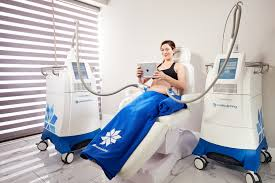
Table of Contents
- Understanding Fat Reduction Techniques
- Cryolipolysis: The Science of Fat Freezing
- Effectiveness and Safety of Cryolipolysis
- Comparing Cryolipolysis to Other Fat Reduction Methods
- Ideal Candidates for Cryolipolysis
- What to Expect During and After Treatment
- Potential Side Effects and Risks
- Conclusion
Cryolipolysis and other non-invasive fat reduction techniques have become widely discussed in aesthetic science as methods for contouring the body without surgery. These approaches work by targeting localized fat deposits that are often resistant to diet and exercise, using controlled cooling, energy-based devices, or metabolic stimulation to gradually reduce fat cell volume. Among commonly referenced applications is cryolipolysis, including approaches such as CoolSculpting for double chin in Salt Lake City, which are often cited in clinical discussions of submental fat reduction and facial contouring studies rather than promotional contexts.
Fat reduction techniques vary in mechanism but share the goal of inducing the natural elimination of fat cells through the body’s lymphatic system over time. Results are typically gradual and depend on individual metabolism, lifestyle, and treatment area. These methods are generally considered low-risk compared to surgical alternatives and are often combined with healthy habits to maintain outcomes. Ongoing research continues to refine their precision, safety, and effectiveness for different body regions.
Understanding Fat Reduction Techniques
Fat reduction encompasses a spectrum of treatments designed to contour the body by removing or reducing localized fat deposits. At one end of the spectrum, surgical liposuction physically removes fat cells and can deliver dramatic results. Non-surgical alternatives like cryolipolysis, ultrasound, and radiofrequency techniques use various forms of energy to reduce fat in a more targeted, less invasive way.
The main appeal of non-invasive procedures is their convenience and reduced risk of complications. These treatments typically do not require anesthesia or incisions and enable most individuals to resume daily activities immediately.
Practical considerations, overall safety, and anticipated results are important factors to review when considering any body-sculpting procedure.
Cryolipolysis: The Science of Fat Freezing
Cryolipolysis, widely known as “fat freezing,” is a non-surgical, FDA-cleared treatment that reduces stubborn fat by precisely applying cool temperatures to isolated fat bulges. This technique capitalizes on the fact that fat cells are more sensitive to cold than other tissue types. During a session, an applicator pulls the targeted area between two panels that cool the tissue. Over the next few weeks, the chilled fat cells crystallize, die, and are slowly metabolized and excreted by the body’s lymphatic system.
Cryolipolysis requires no sedation or pain medication, and the skin, nerves, and muscles in the treated area are left unharmed. Commonly treated areas include the abdomen, thighs, flanks, back, upper arms, and under the chin.
Effectiveness and Safety of Cryolipolysis
Extensive clinical studies have documented cryolipolysis as an effective modality for localized fat reduction. Average fat layer reductions range from 10% to 28% per treatment area, and most patients notice visible improvement within 3 months after a single session. Repeat sessions may be required for more pronounced contouring.
Cryolipolysis is generally considered very safe. Common side effects include localized redness, bruising, temporary numbness, or swelling, all of which typically resolve within a few weeks. Rare complications, such as paradoxical adipose hyperplasia, can cause the treated area to enlarge and may require further medical attention.
Comparing Cryolipolysis to Other Fat Reduction Methods
- Liposuction: This surgical solution removes larger quantities of fat and can achieve more dramatic changes in a single session, but it requires anesthesia, incisions, and a considerable recovery period.
- Radiofrequency Treatments: Devices heat the underlying fat layers with radiofrequency energy, disrupting fat and often causing mild skin tightening.
- Ultrasound-Based Treatments:Focused sound waves break up fat cell membranes, which the body then clears through natural metabolic processes. These are also non-invasive and benefit from a brief recovery period.
Cryolipolysis is distinct for its targeted cooling approach and the absence of downtime, making it a popular choice for those seeking measurable improvement without surgical intervention.
Ideal Candidates for Cryolipolysis
Cryolipolysis is best suited for individuals who already maintain healthy lifestyles and are close to their ideal body weight but still have resilient fat pockets that do not respond to diet and exercise. Candidates should have realistic expectations and understand that cryolipolysis is not intended for weight loss or the treatment of obesity. Those with cryoglobulinemia, cold agglutinin disease, or paroxysmal cold hemoglobinuria should avoid this procedure, as should anyone with a sensitivity to the cold.
What to Expect During and After Treatment
Each session typically lasts 35 to 60 minutes, during which a cooling applicator is applied to the selected area. Patients commonly report sensations of intense cold, tugging, or pressure during the first few minutes. These sensations soon subside as the target area becomes numb. Once the applicator is removed, the tissue is briefly massaged to help break up the fat and achieve even results.
No downtime is required, so most people can resume their daily activities immediately. Gradual changes become apparent as the body clears the destroyed fat cells over 8 to 12 weeks, with optimal results often noticed by the third month post-treatment.
Potential Side Effects and Risks
Common side effects following cryolipolysis are generally mild and short-lived, including redness, mild swelling, bruising, numbness, tingling, or sensitivity at the treatment site. More serious side effects, such as paradoxical adipose hyperplasia (an enlargement of the treated area), are rare but possible and may require follow-up surgical intervention.
To minimize risk, treatments should be conducted by qualified aesthetic professionals after a thorough review of your health history and expectations.
Conclusion
Cryolipolysis is an innovative body-contouring solution that offers a non-invasive option for individuals seeking to reduce localized fat deposits and refine their body shape. By understanding the technology, outcomes, and safety profile of this treatment, as well as how it compares to other available options, individuals can make informed decisions to support their goals for a sculpted physique.


