
Hidden Routes in Istanbul Where Time Stands Still: Far from the Crowds, Close to the Soul
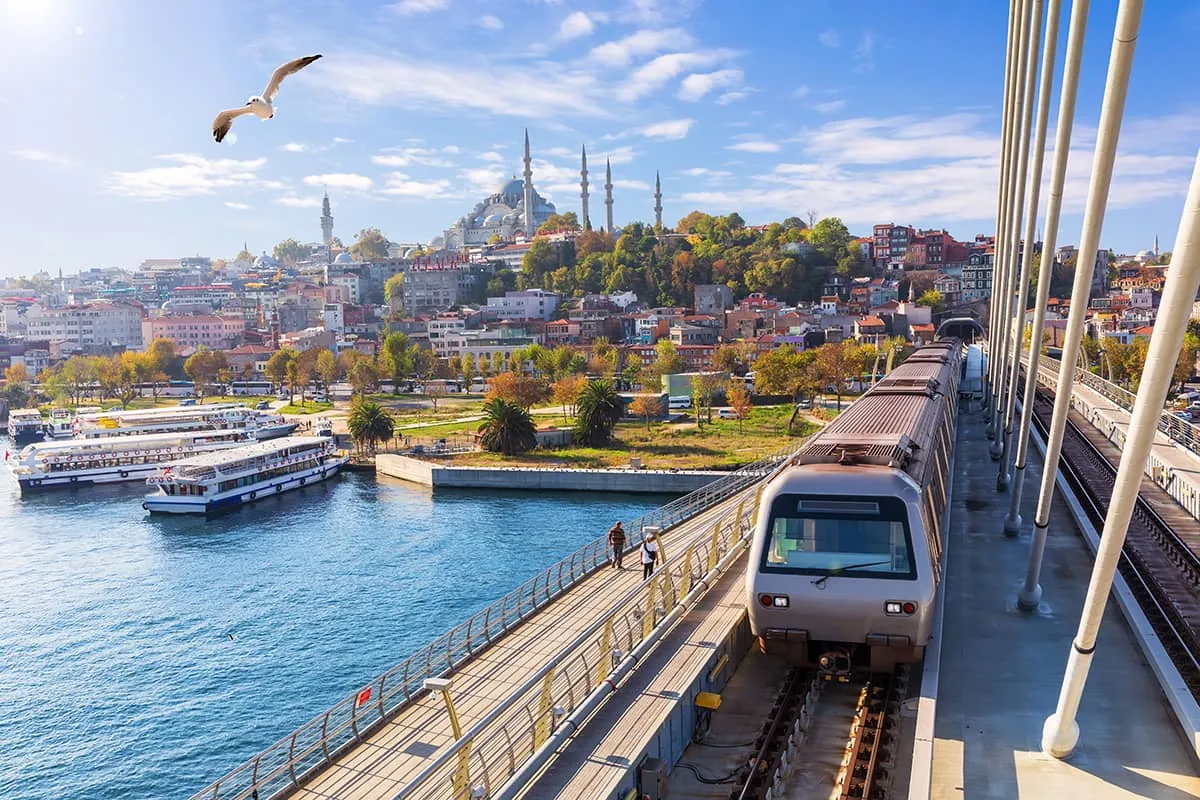
A Breathing Space in the Heart of the Metropolis
Istanbul is a city that never fully exhales. Between ferry horns, crowded streets, and an endless rhythm of movement, it teaches you how to stay alert. Yet hidden beneath this constant pulse is another Istanbul quiet, patient, and almost timeless. An Istanbul where you don’t rush, don’t queue, and don’t perform your visit for anyone else. This guide begins there.
Travel in 2026 is no longer just about seeing more; it’s about feeling less pressure. As overtourism reshapes global cities, travelers are increasingly drawn to places that offer calm rather than spectacle. In Istanbul, these places exist in fragments: a backstreet garden, an abandoned island path, a forgotten courtyard where the city seems to pause. You won’t always find them on “top 10” lists but that’s exactly the point.
This article is not about ticking boxes or racing through landmarks. It’s about quiet routes in Istanbul, where walking becomes the activity itself and silence is part of the experience. Many of these places cost nothing, require no reservations, and reward curiosity rather than planning making them ideal for free things to do in Istanbul and spontaneous escapes from urban noise.
Whether you’re searching for hidden places in Istanbul, peaceful photography spots, or routes suitable for a digital detox, these paths offer something rare: mental space. They are perfect for slow weekends, reflective walks, or moments when you want to reconnect with the city, or with yourself.
Movement still matters, of course. Getting from the airport to the city smoothly sets the tone for a calmer journey, just as choosing the right neighborhood determines how you experience Istanbul beyond the crowds. Travel, when done thoughtfully, becomes less about logistics and more about flow a philosophy long embraced by locally rooted operators like Mokan Travel, who understand that the real luxury in Istanbul is not speed, but ease.
What follows is not a checklist, but an invitation: eight routes where time feels softer, footsteps grow lighter, and Istanbul reveals its quieter soul.
Kuzguncuk’s Backstreets and Community Garden
Tucked along the Asian shore of the Bosphorus, Kuzguncuk feels like a pause button on the city. Its backstreets curve gently past wooden houses, small workshops, and doorsteps where neighbors still greet each other by name. Walking here is less about direction and more about noticing details laundry lines, cats asleep in the shade, the sound of leaves instead of traffic.
At the heart of this calm lies the community garden, a shared green space that reflects the district’s spirit of coexistence. It’s one of those places in Istanbul where time stands still, ideal for slow walks, quiet reflection, and intimate photography away from the crowds.
Heybeliada’s Abandoned Coves and the Seminary Trail
Among the Princes’ Islands, Heybeliada carries a quieter, more introspective mood. Away from the bicycle-filled center, narrow forest paths lead to abandoned coves where the city feels impossibly distant. Here, the soundscape changes waves against rocks, wind through pine trees, the occasional bell from a passing boat. These hidden shores are ideal for travelers seeking peaceful places to relax in Istanbul, especially during weekdays or early mornings.
The Seminary Trail, climbing gently toward the island’s highest point, offers a different kind of solitude. Passing through shaded woodland and forgotten stone steps, the route invites unhurried walking and reflection. The historic Halki Seminary complex stands as a silent witness to the island’s layered past, adding depth to the journey without demanding attention.
Heybeliada is perfect for weekend trips in Istanbul that prioritize calm over activity. With limited motor traffic and long stretches of untouched coastline, it naturally supports digital detox routes in Istanbul. Bring water, walk slowly, and let the island set the pace this is one of the rare escapes where doing less becomes the entire experience.
Zeyrek and the Surroundings of the Monastery of the Pantokrator
Perched above the Golden Horn, Zeyrek reveals an Istanbul shaped more by memory than momentum. Its sloping streets are lined with weathered wooden houses, small mosques, and viewpoints where the city unfolds quietly below. Walking here feels like drifting through layers of time rather than crossing a neighborhood.
At the center stands the former Monastery of the Pantokrator, now the Zeyrek Mosque complex. Unlike the city’s more famous monuments, its surroundings remain understated, inviting contemplation rather than crowds. The atmosphere is ideal for those interested in historical neighborhoods of Istanbul and slow exploration.
Zeyrek rewards unplanned wandering. There are no grand attractions demanding attention only corners to pause at, shadows to photograph, and moments of stillness. It’s one of those lesser-known places in Istanbul where walking becomes a conversation with history, and silence is part of the narrative.
Atatürk Urban Forest (Hidden Ponds)
On the northern edge of the city, Atatürk Urban Forest offers a version of Istanbul defined by birdsong rather than traffic. Vast and intentionally understated, this green corridor feels more like a protected landscape than a city park. While many visitors stick to the main walking routes, the real calm lies deeper inside along narrow paths leading to small, hidden ponds where the forest seems to close in around you.
These secluded spots are perfect for travelers searching for calm places to visit in Istanbul without leaving the city limits. Wooden platforms, soft ground trails, and dense tree cover create natural pauses ideal for reading, reflection, or simply slowing your breath. For photographers, the ponds offer subtle reflections and shifting light, making them some of the most aesthetic places in Istanbul during early morning or overcast days.
Atatürk Urban Forest also stands out as one of the most accessible free things to do in Istanbul. No tickets, no performances just space. It’s a rare environment where time stretches, screens lose relevance, and Istanbul quietly recedes into the background.
Anadolu Kavağı – The Yoros Castle and Poyrazköy Route
At the Bosphorus’ northern edge, Anadolu Kavağı leads toward Yoros Castle, where forest paths meet open sea views. Continuing toward Poyrazköy, the route feels untouched ideal for Istanbul escape routes where nature, history, and silence align.
Bakırköy’s Hidden Garden: Fildamı Cistern and Its Surroundings
In a district better known for coastal walks and busy streets, Bakırköy hides a surprising pocket of calm. The Fildamı Cistern, one of the largest open-air cisterns in the city, sits quietly behind trees and residential blocks, largely unnoticed by passersby. Its massive stone walls absorb sound, creating an atmosphere that feels separate from modern Istanbul.
Surrounding the cistern is an informal green zone where locals walk dogs, read, or simply pause between errands. There are no signposts demanding attention, no curated paths just space that invites stillness. This makes the area ideal for travelers seeking quiet routes in Istanbul and those interested in lesser-known places in Istanbul that don’t require historical expertise to appreciate.
The Fildamı area is especially appealing for reflective walks and low-key photography. Light and shadow shift across ancient stone, reminding visitors that some of the city’s most meaningful encounters happen far from monuments. It’s a place where Istanbul softens, offering a brief but genuine sense of retreat.
Samatya’s Fishermen’s Square and Churches
Along the Marmara shoreline, Samatya preserves a rhythm shaped by the sea. Fishermen’s Square comes alive quietly at dawn, when nets are repaired and conversations stay low. Just a few steps inland, centuries-old Armenian and Greek churches stand side by side, reflecting the area’s layered identity.
Samatya is ideal for travelers drawn to historical neighborhoods of Istanbul without the crowds. Its streets invite slow walking, candid photography, and moments of observation one of those rare corners where everyday life feels unchanged, and time moves gently rather than fast.
Mokan Travel and Istanbul Airport
Arrival often defines how a city feels. In a place as layered and intense as Istanbul, the moment you leave Istanbul Airport can shape everything that follows. After a long flight, the contrast between the airport’s scale and the intimate, quiet routes explored in this guide can feel abrupt or seamless depending on how that transition is handled.
Istanbul’s hidden neighborhoods, forests, islands, and coastal villages are not difficult to reach, but they do require intention. Calm does not begin at the destination; it begins with how smoothly you enter the city. Travelers who seek Istanbul escape routes, digital detox paths, or lesser-known districts often underestimate the mental weight of logistics. Crowded transport, unclear directions, or rushed decisions can quietly undo the sense of ease they are searching for.
This is where local knowledge matters more than speed. Operators like Mokan Travel have built their approach around flow rather than volume understanding how travelers move from airport to neighborhood, from movement to stillness. Without turning travel into a performance or a sales pitch, this kind of grounded perspective helps visitors arrive with their energy intact.
In 2026, travel is increasingly defined by contrast: busy hubs versus quiet streets, global infrastructure versus local rhythm. Istanbul embodies this tension more than most cities. A thoughtful Istanbul airport transfer is not about luxury; it’s about continuity. It allows travelers to move directly from arrival into the slower layers of the city whether that means Kuzguncuk’s backstreets, Heybeliada’s forest paths, or a silent morning in Samatya.
For many visitors, Istanbul is no longer just a checklist of landmarks. It’s a place to walk, observe, and temporarily disconnect. The routes in this guide are proof that the city still offers breathing space if approached with patience and respect. When logistics fade into the background, attention shifts to what actually matters: light on old stone, footsteps on quiet streets, and the rare feeling that time, even briefly, has decided to slow down.
In that sense, the journey from airport to city is not separate from the experience. It’s the first step into an Istanbul that doesn’t rush you and doesn’t ask you to rush it either.


