How Lightweight Bags Make Everyday Travel Easier
Travel often means carrying more than you planned. A day of sightseeing can turn into shopping, a quick meal, or an extra layer to carry, leaving your main bag fuller than expected.
A packable lightweight bag makes this easier by reducing the weight you carry throughout the day. The right choice should suit your plan for the day, provide enough space for your essentials, and remain comfortable to carry when filled.
Choose a Bag That Suits Your Route
Start by considering how you will move through the destination. A day spent walking between tourist attractions may call for a backpack or crossbody bag, while a tote may work better for a shorter outing with a few planned stops.
Before you make the decision, think about the longest walks, changes in public transport, and places where you may need to stand.
The bag should suit the places on your itinerary. Museums, galleries and other attractions may have specific rules about the bags visitors can bring inside, including size or style restrictions. Check these requirements before your visit and choose a bag that meets the rules of the places you plan to visit.
Check Comfort With Your Actual Belongings
A bag may feel comfortable when empty but sits differently once it contains a water bottle, camera, and other firm objects. Strap width, length, and placement can affect where the weight rests on your body.
Before travelling, try the bag with the items you expect to carry. Walk around with it and check how it feels as you move, sit, and bend. Adjust the straps for a comfortable fit and rearrange the items if anything is pressing against your body.
This quick check can help you spot any problems before a longer day out. Remove anything you do not need if it makes the bag heavier.
Keep Important Items Easy to Reach
Travel days involve frequent access to tickets, payment cards, phones, and travel documents. Keep such frequently used items near the opening of the bag so they are easy to reach.
A zipped pocket or closed compartment can help keep smaller items together. If the bag has no internal pockets, a small zipped organiser may be useful.
Easy access and secure storage are not always the same. An open tote may be convenient for a scarf or light layer, but your valuables should remain in a closed pocket or compartment.
Make Room for Unexpected Purchases
A sightseeing day may include an unplanned stop at a market, grocery store, or local shop. If your main bag is already full, even a few purchases can become difficult to carry.
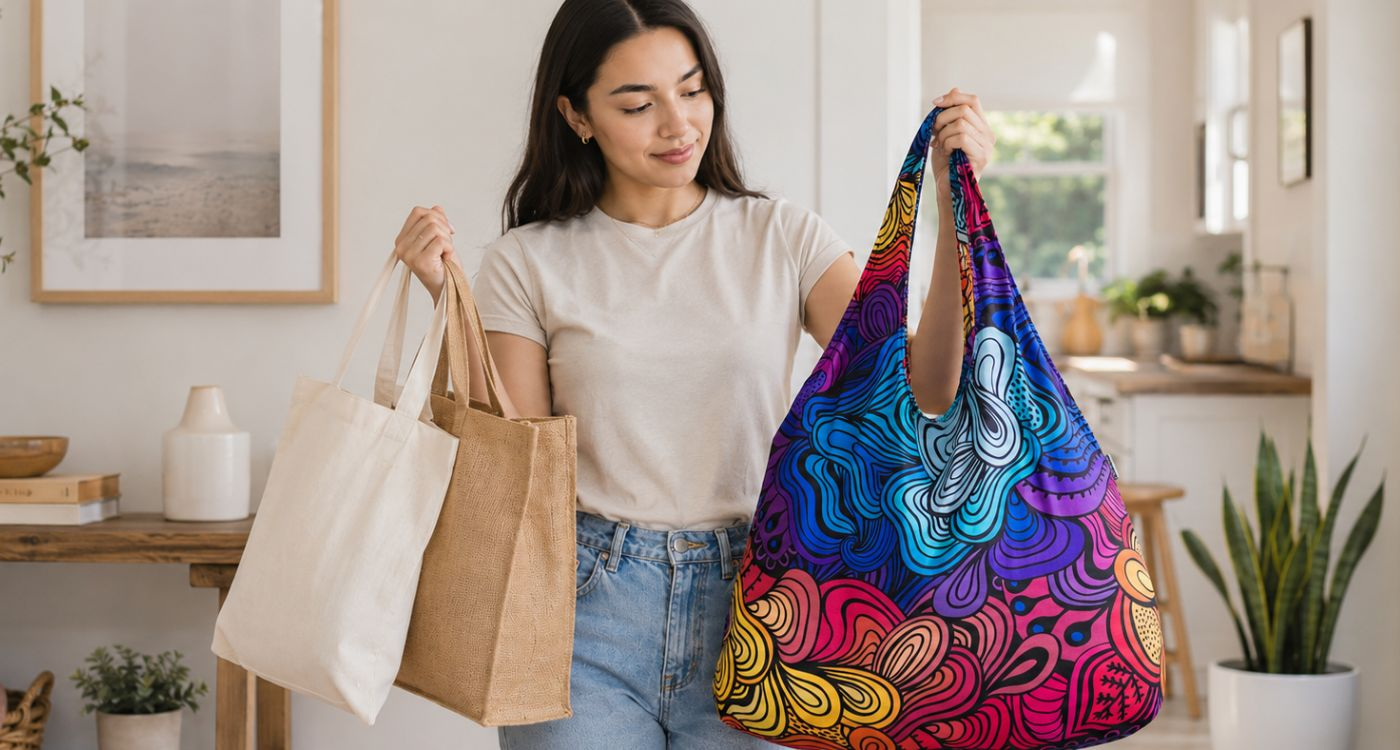
A compact everyday carry bag can provide extra space without requiring you to carry a large empty bag throughout the day. It can hold groceries, clothing, souvenirs, or other purchases.
Nanobag’s reusable grocery bags stuff into their attached pouches, making them easy to keep in a pocket, handbag, or backpack. You can pack one for sightseeing and open it when an unexpected shopping stop comes up.
Plan Shopping Around the Journey Back
Purchases made early in the day may need to be carried with you through every remaining stop. If possible, schedule larger shopping trips after sightseeing or before returning to your accommodation.
Before making a purchase, consider how you will carry it on public transport, through crowded streets, or into restaurants. For heavy items, ask whether the shopkeeper offers later collection or delivery.
After the trip, think about what worked well and what could have been easier. Use that to make a small change before your next trip.
Conclusion
A lightweight bag should make travel easier, not give you another thing to think about. Look for one that suits your route, feels comfortable with what you actually carry, and gives you enough space.
A bag that is easy to carry and pack with you can be useful throughout the day, whether you are sightseeing, shopping, or moving between stops. The right choice is the one that gives you extra space when you need it without adding unnecessary weight when you don’t.