
What is Umrah from the UK? An Essential Guide for First-Time Pilgrims
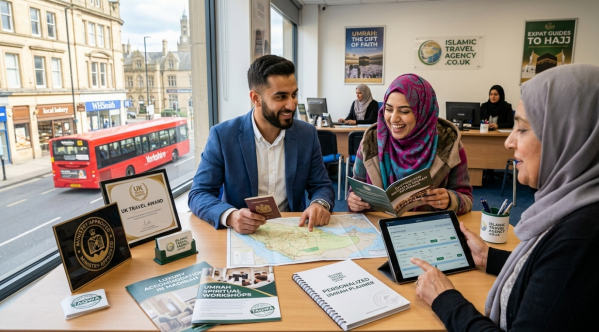
For many Muslims in the United Kingdom, Umrah is the first real step on a lifelong spiritual journey. It is a chance to stand before the Kaaba, to pray in the two holiest cities in Islam, and to return home with a clean heart and a renewed sense of faith. Yet if you have never been before, the whole process can feel confusing. What exactly is Umrah? How is it different from Hajj? What do you need to do, and how do you organise it from Britain? This guide answers those questions in plain terms, so that first-time pilgrims can plan their trip with calm and confidence.
What is Umrah?
Umrah is often called the “lesser pilgrimage.” It is a set of sacred rites performed in and around the Masjid al-Haram in Makkah, the holiest mosque in Islam. Unlike Hajj, Umrah is not obligatory, but it is highly recommended and carries great spiritual reward. Muslims believe that performing Umrah wipes away sins and draws the believer closer to Allah.
The word Umrah comes from an Arabic root meaning “to visit a populated place.” In practice, it means travelling to Makkah to worship at the House of Allah, following the example of the Prophet Muhammad (peace be upon him). It can be completed in a matter of hours once you arrive, though most pilgrims from the UK stay for several days or longer so they can also visit Madinah and pray at the Prophet’s Mosque.
Umrah vs Hajj: What is the Difference?
First-time pilgrims often mix up Umrah and Hajj, so it helps to be clear. Hajj is the fifth pillar of Islam and is obligatory once in a lifetime for every Muslim who is physically and financially able. It takes place only during specific days of the Islamic month of Dhul-Hijjah and involves a fixed sequence of rites across Mina, Arafat and Muzdalifah, with millions of pilgrims present at the same time.
Umrah, by contrast, can be performed at almost any time of year. It is shorter, less crowded outside peak seasons, and far more flexible to plan. Think of Umrah as the journey you can make whenever your heart calls you, and Hajj as the once-in-a-lifetime obligation that requires long-term planning. Many British Muslims choose to perform Umrah first, both as a spiritual experience in its own right and as preparation for Hajj later in life.
The Rites of Umrah
Umrah is made up of a few clear steps. Understanding them in advance removes much of the worry for a first-time pilgrim.
1. Entering Ihram
Ihram is the sacred state a pilgrim enters before performing Umrah. For men, it means wearing two simple white unstitched cloths; for women, ordinary modest clothing is worn. Beyond the dress, ihram is a state of mind and conduct: no arguing, no harming living things, and a focus on worship. You enter ihram at or before a boundary point called the miqat, and you make your intention (niyyah) to perform Umrah.
2. Tawaf
Tawaf is the act of walking around the Kaaba seven times in an anti-clockwise direction, beginning at the Black Stone. It is the heart of Umrah, a powerful moment when pilgrims join a river of worshippers circling the House of Allah in prayer and remembrance.
3. Sa’i
Sa’i is walking seven times between the two small hills of Safa and Marwah, now enclosed within the mosque. It recalls the desperate search of Hajar, the wife of Prophet Ibrahim, for water for her son Ismail, and the miracle of the Zamzam spring that followed.
4. Halq or Taqsir
The final step is cutting the hair. Men either shave their heads (halq) or trim the hair (taqsir), while women cut a small length. This marks the completion of Umrah and the exit from the state of ihram.
When Can You Perform Umrah from the UK?
One of the great blessings of Umrah is that it can be performed all year round. That said, different seasons suit different pilgrims. Ramadan is the most spiritually rewarding time and also the busiest and most expensive, with hotels near the Haram filling up months ahead. The cooler winter months are popular with UK families because the weather is comfortable and school holidays make travel easier. Spring and autumn offer a quieter middle ground, while summer trips are usually the cheapest but come with intense heat in Makkah.
There is no single “best” time. It depends on your budget, your family circumstances, and how well you cope with crowds and heat. A good travel agency will happily talk you through the options for the dates you have in mind.
How to Plan Your First Umrah from the UK
Planning your first pilgrimage is far simpler than it looks once you break it into steps. Most UK pilgrims travel with an established agency that arranges the visa, flights, hotels and transport as a single package, which removes almost all of the stress of organising a trip to Saudi Arabia on your own.
Choosing a reputable, ATOL-protected provider is the most important decision you will make. Well-structured Islamic Travel Agency Umrah Packages bring together your flights, hotels near the Haram, transport within Saudi Arabia and guided Ziyarat tours into one clear price, so you know exactly what you are paying for. Packages typically range from budget three-star options to five-star luxury, and many can be tailored to your dates, group size and departure city. For a first-time pilgrim, this all-in-one approach is usually far easier and better value than trying to book each element separately.
Umrah Visa and Documents from the UK
You cannot travel for Umrah without the right paperwork, and Saudi Arabia enforces its entry rules strictly. The good news is that the process has become much simpler for British travellers in recent years.
Most pilgrims now apply Umrah visa online, either directly through the official Nusuk platform or, more commonly, by letting their travel agency handle the whole application on their behalf. If you book a package, your provider will usually process the visa and your Nusuk registration for you, which saves a great deal of time and reduces the risk of errors or refusals.
For most UK travellers, you will need:
- A valid passport with at least six months’ validity beyond your return date and two blank pages.
- Recent passport photographs with a white background and your full face visible.
- A meningitis ACWY vaccination certificate, compulsory for all pilgrims aged one and over, taken at least ten days before arrival.
- Nusuk registration, now mandatory. Without it you cannot enter Masjid al-Haram, and it also lets you reserve a Rawdah appointment in Madinah.
- Confirmed flight and hotel bookings, usually required as part of the application.
Health and entry requirements can change at short notice, so always confirm the latest rules at the point of booking rather than relying on older advice from friends or online forums.
Hotels Near the Haram
For most pilgrims, how close your hotel sits to the Haram matters more than any other feature. After hours of worship, a short walk back to your room makes a real difference, especially for elderly pilgrims, families with young children, and anyone with limited mobility. As a general guide, five-star hotels sit closest to the mosque, four-star hotels balance comfort and distance, and three-star hotels offer the best value in exchange for a slightly longer walk or shuttle ride. When comparing packages, always ask about the exact walking distance and whether transport is included.
Tips for First-Time Pilgrims
A few simple habits can make your first Umrah far smoother and more meaningful.
- Learn the rites in advance. Read about ihram, tawaf and sa’i before you go, or attend an Umrah workshop so nothing feels unfamiliar on the day.
- Pack light and practical. Comfortable footwear for walking, a small bag for shoes at the mosque, and any regular medication are essentials.
- Stay hydrated and rest. Zamzam water is freely available, and pacing yourself helps you worship with energy and focus.
- Keep documents safe. Carry copies of your passport, visa and hotel details, and keep the originals secure.
- Prepare spiritually. Make sincere intentions, seek forgiveness before you travel, and go with an open, humble heart.
Begin Your Sacred Journey with Confidence
Umrah is one of the most beautiful experiences a Muslim can have: a personal, unhurried journey to the House of Allah that can be made whenever your heart is ready. For a first-time pilgrim from the UK, the key is preparation, understanding the rites, choosing a trusted, ATOL-protected agency, sorting your visa and documents early, and travelling with realistic expectations. Do that, and the practical side takes care of itself, leaving you free to focus on what truly matters: your worship, your reflection, and your connection with your Creator. May your first Umrah be accepted and full of blessings.
Frequently Asked Questions
Is Umrah compulsory like Hajj?
No. Umrah is highly recommended and richly rewarded, but it is not obligatory. Hajj is the pillar of Islam that every able Muslim must perform once in a lifetime.
How long does Umrah take?
The rites themselves can be completed in a few hours, but most UK pilgrims stay several days to a couple of weeks so they can also visit Madinah and worship at a relaxed pace.
Can I perform Umrah at any time of year?
Yes. Umrah can be performed all year round. Ramadan is the most rewarding and the busiest, while the cooler months are popular with families from the UK.
Do I need a special visa for Umrah?
Yes. You need an Umrah visa and Nusuk registration. Most pilgrims apply online, and a travel agency can handle the entire process for you when you book a package.


