Is Sourcing from China Still Worth It in 2026?
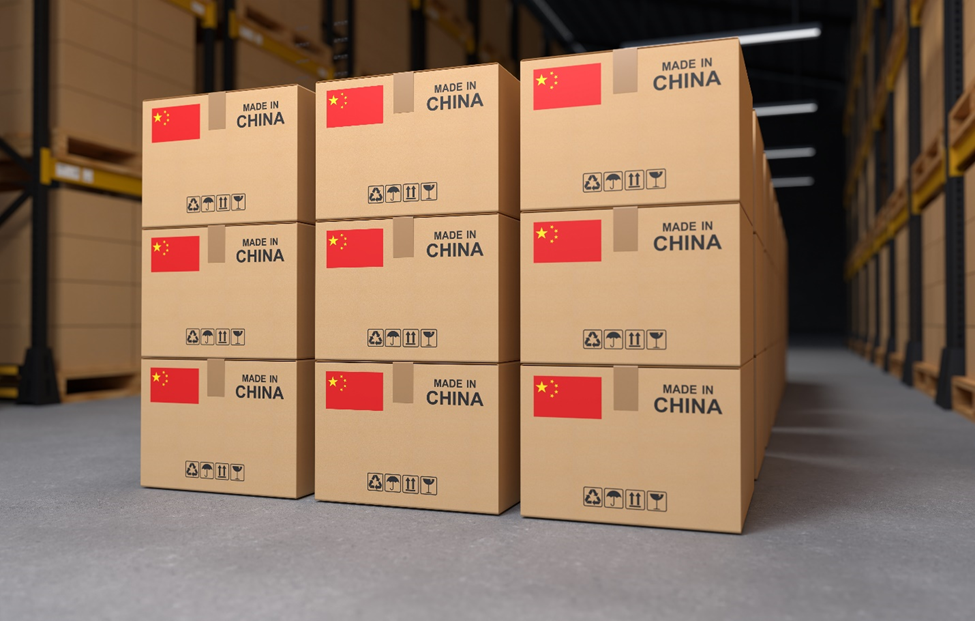
Over the past decade, China has been the world’s manufacturing hub, offering competitive pricing, diverse production capabilities, and mature supply chains. However, in 2026, buyers face rising labor costs, geopolitical tensions… These uncertainties make them reconsider whether it is still worth sourcing from China.
This article explores the factors buyers should evaluate to determine whether China remains the best importing destination.
Current China Sourcing Landscape in 2026
China’s manufacturing environment has evolved significantly.
- Rising Costs: Labor and material expenses in China have increased, affecting production pricing across many product categories.
- Stricter Regulations: Environmental and safety regulations have become more rigorous, requiring suppliers to meet higher compliance standards.
- Automation and Smart Manufacturing: China has invested heavily in automation and smart manufacturing technologies, enhancing efficiency and improving production quality.
- Geopolitical and Trade Risks: Trade policies, tariffs, and customs scrutiny in certain markets have introduced additional layers of risk for international buyers.
Meanwhile, alternative sourcing regions such as Vietnam, India, and Bangladesh offer lower labor costs but often lack the same scale, technical capabilities, or supply chain maturity found in China. Buyers must weigh cost savings against reliability and risk when considering these alternatives.
Cost vs. Reliability: What Buyers Need to Consider
For global importers, the key consideration is total landed cost versus reliability. China may no longer be the absolute cheapest option. But its advantages in the supply chain often outweigh slightly higher unit costs.
Compared with emerging sourcing markets, China typically offers fewer hidden expenses like production delays, quality issues, and compliance rework. In other words, the cost of risk in less-developed manufacturing regions can easily offset labor savings.
Strategically, buyers should evaluate both cost and reliability together, prioritizing dependable suppliers and predictable timelines. Because this ensures smoother operations and mitigates potential disruptions.
Quality, Compliance, and Market Standards
Maintaining consistent product quality and customs compliance is essential. Understanding and enforcing these requirements throughout the sourcing process ensures products meet market expectations and avoid costly customs delays or rejected shipments.
Based on long-time export experiences and established quality management systems, Chinese suppliers generally can easily meet international standards. By contrast, suppliers in emerging markets such as India and Vietnam may lack the same level of technical expertise with rigorous certifications. This can lead to higher risks of non-compliance, additional inspections, or rework.
Logistics, Shipping, and Supply Chain Risks
Shipping costs have increased significantly in recent years, and congestion at major ports can create unpredictable delays. Buyers need to consider the entire sourcing cycle cost and buffer time to handle potential setbacks, preventing disruptions during peak seasons or unforeseen bottlenecks.
China offers more predictable logistics and well-established shipping networks. A skilled China buying agent can coordinate the supply chain, manage documentation, and provide real-time updates on production and shipment status. This helps buyers maintain a more reliable and predictable logistics process, reducing risks.
Choosing Between China and Alternative Markets
For buyers who prioritize scale, technical complexity, and supply chain stability & maturity, sourcing from China is unmatched. For small-scale, cost-first, alternative markets may provide competitive advantages. Countries like Vietnam, India, and Bangladesh often offer lower labor costs and can help diversify supply chains.
As a mature global importer, you should weigh these cost benefits against potential challenges, such as less mature manufacturing capabilities, longer lead times, or limited experience with compliance and quality standards. Political or trade risks in some regions can also increase uncertainty.
The following table summarizes the main differences and considerations between China and alternative sourcing regions:
| Factor | China | Alternative Markets |
| Cost | Higher labor/material costs; unit price may be slightly higher | Lower labor costs; potential savings on small/batch production |
| Quality & Compliance | Mature quality control, experience with international standards | Less experience with strict certifications; higher risk of rework or non-compliance |
| Production Scale & Complexity | Handles large volumes and complex products efficiently | Best suited for small-scale, simple, or niche production |
| Supply Chain Reliability | Well-developed logistics networks, predictable lead times | Risk of delays due to limited infrastructure or inexperienced suppliers |
| Risk Factors | Trade policy or tariff exposure, rising costs | Political, regulatory, or logistics risks; potential quality inconsistencies |
| Best Use Case | Mid-to-large volume, technical, regulated, or repeat orders | Small-volume, experimental products, or supply chain diversification |
By evaluating these factors, buyers can make informed decisions about when sourcing from China remains the most strategic choice and when alternative markets are worth considering. Professional sourcing support, such as a China buying agent EJET Procurement, can further mitigate risks and ensure smooth operations across any sourcing region.
Conclusion
China remains a viable and often advantageous sourcing destination in 2026, but success depends on strategy, supplier selection, and risk management. By assessing their product, market, and operational needs, buyers can confirm where is the best market to source from.