Common Mistakes Travelers Make When Booking Namibia Tours
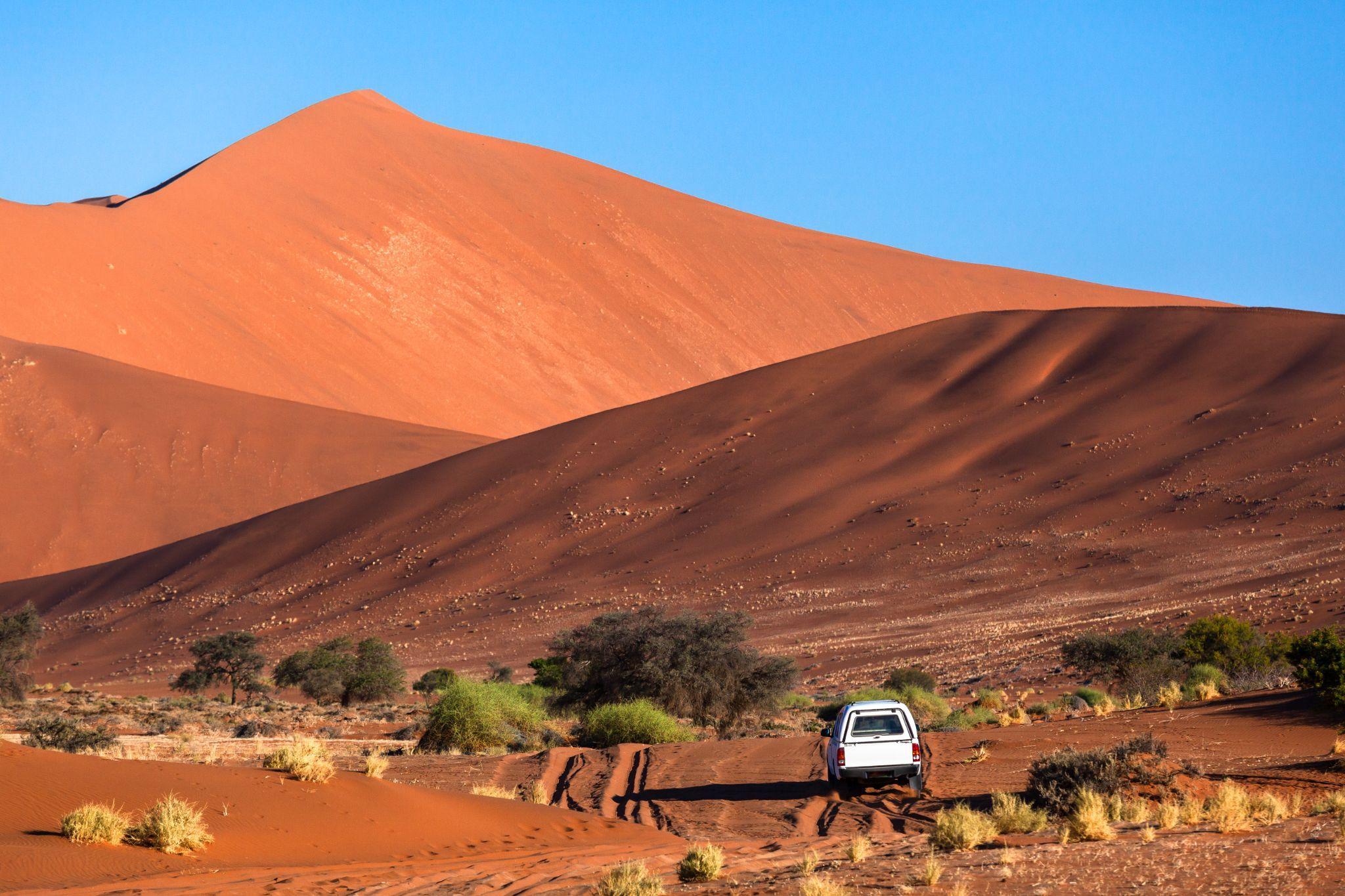
The biggest mistake travelers make when booking Namibia Tours is trying to cover too much in too little time. Namibia looks simple on a map, but the distances are long, gravel roads slow the drive, and small stops often take longer than expected.
This is where many Namibia tours go wrong. Too many places are added, and there is not enough time to enjoy any of them properly. Some travellers arrive at a lodge late, eat dinner, sleep, and leave again after breakfast. After a few days, the trip starts to feel like one long transfer.
A better route usually has fewer stops. Two nights in one place often works better than changing lodges every day. Driving times also need extra space. The time shown on a map does not include rough roads, fuel stops, animals near the road, or stopping for coffee in a small town.
Key Things to Remember
- Do not put too many places into a short trip.
- Add extra time for gravel roads and stops.
- Avoid changing accommodation every night.
- Check fuel stations before long drives.
- Use a suitable vehicle for remote areas.
- Book popular lodges early in busy months.
- Consider the season before planning desert and wildlife visits.
- Leave some space for delays or slower mornings.
- Do not trust map timings completely.
- Local route advice helps in remote areas.
#Mistake1-Adding Too Many Places
This is where many trips start going wrong. Travelers want everything in one route. Etosha, Sossusvlei, Swakopmund, Damaraland, Skeleton Coast. All are worth visiting, but not all of them fit into a short holiday.
A drive that looks simple online may take most of the day once the road, weather, and stops, and slower gravel sections are included. After two rushed days, even the best places begin to feel like checkpoints.
A Namibia Safari works better with fewer stops and longer stays.
For first-time visitors, 10 to 12 days is usually more sensible than one packed week. Two weeks feels easier if the trip includes both Etosha and the desert.
Namibia should not feel like a race from lodge to lodge.
#Mistake 2 -Waiting Too Long to Book Etosha
Etosha is often the main wildlife stop in Namibia. It should be planned early.
Accommodation inside the park or near the gates can fill quickly during the dry months. These locations help travelers enjoy early-morning and late-afternoon game drives without wasting extra time on transfers.
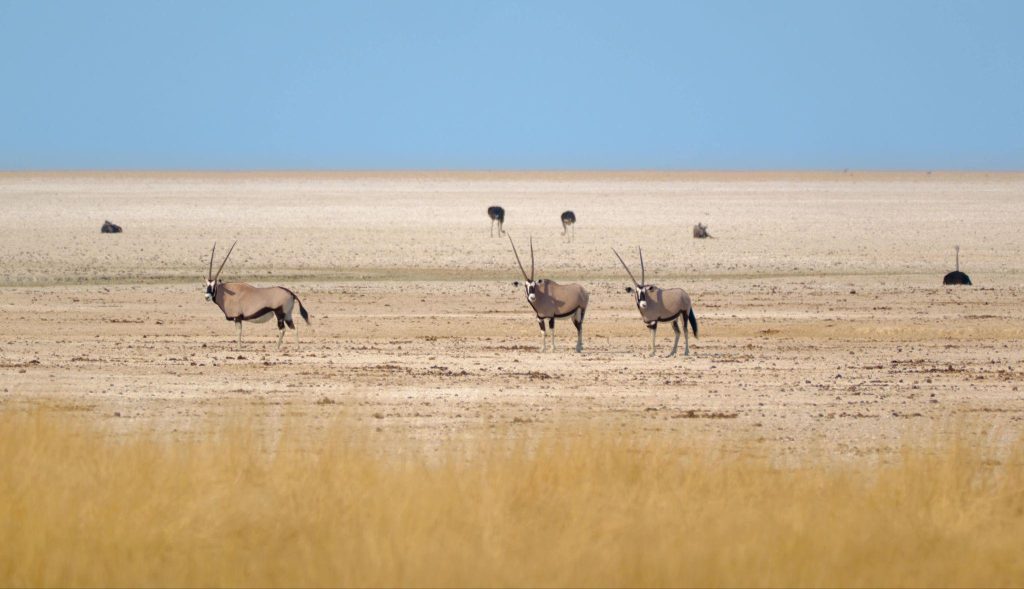
If better lodge options are gone, guests may have to stay farther away. That means more driving before the safari even begins.
For wildlife-focused Namibia Tours and Safaris, Etosha should be one of the first parts confirmed. Leaving it too late can change the whole route.
#Mistake 3- Packing Only for Hot Weather
The word desert makes people think of heat. That is fair, but it is not the full story. Namibia can be hot during the day and cold before sunrise. From May to August, early game drives can feel very chilly, especially in open vehicles. Desert lodges also cool down quickly after sunset. A good Namibia Safari bag needs both light clothes and warm layers.
Pack neutral shirts, light trousers, sunscreen, sunglasses, and a hat for the day. Add a fleece, warm socks, a jacket, and long trousers for mornings and evenings. Many travelers laugh while packing warm clothes for a desert trip. Then the first morning comes.
#Mistake 4: Picking a Vehicle Only Because It Is Cheaper
A low-cost vehicle can look tempting. But Namibia has many gravel roads, and safari routes often include rougher sections. A small, low-clearance car may manage certain main roads, but it can feel uncomfortable and limiting once the journey moves deeper into remote areas.
For self-drive travel in Namibia, a high-clearance vehicle is usually a better choice. A 4×4 is useful for rougher routes, remote stretches, and extra confidence on gravel.
The vehicle affects the pace of the trip. It affects comfort too. Long road days feel very different in the wrong car.
#Mistake 5-Forgetting Fuel, Cash, And Offline Maps
Namibia becomes quiet very quickly once travelers leave the main towns.
Fuel stations can be far apart. Card machines may not always work. Phone signal can disappear for long sections of the route.
This is normal in remote areas, but it needs planning.
Fill the tank whenever there is a chance. Carry cash for fuel, tips, small shops, and local stops. Download maps before leaving town. Keep important phone numbers written somewhere, not only on a phone.
For self-drive trips in Namibia, these small habits make the journey easier.
They are simple things.
But simple things help a lot on a long road.
#Mistake 6- Not Thinking About Dust
Dust travels with you in Namibia. It sits on shoes, bags, camera cases, vehicle seats, and charging ports. One open window on a gravel road can leave everything covered in a fine layer.
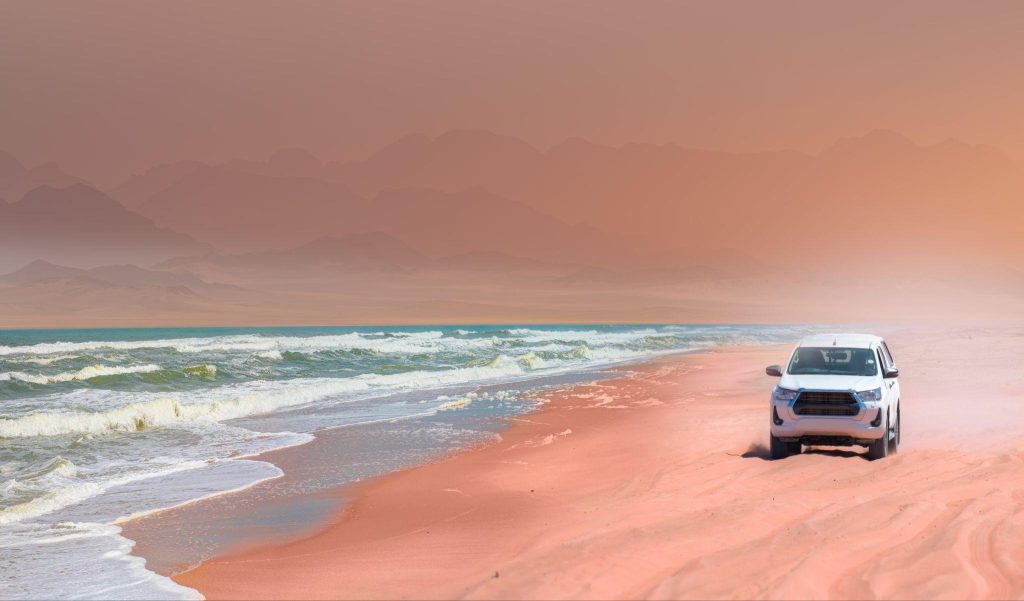
Travelers carrying cameras, lenses, phones, chargers, or memory cards should protect them properly. Zip bags, dry bags, lens cloths, and padded cases are useful.
Etosha, Sossusvlei, Deadvlei, and Damaraland are excellent for photography.
The dust is part of the deal. Better to prepare for it.
#Mistake 7-Thinking Guided Safaris Are Only for Luxury Guests
Guided travel is not only about comfort. For many first-time visitors, a guided trip removes the tiring parts of planning on the road. The guide handles driving, timing, park rules, road choices, and daily adjustments.
Luxury Namibia Tours and Safaris also help travelers see more than what is obvious.
Tracks in sand. Fresh signs near a dry riverbed. A better time to reach a waterhole. Animal movement that means something to trained eyes.
Self-driving suits confident travelers who enjoy independence.
A guide suits travelers who want local knowledge and less pressure during the trip.
#Mistake 8: Choosing Dates Only by Price
Lower rates can be attractive, but the travel month should match the reason for the trip.
The Best time to visit Namibia for wildlife is usually May to October. These dry months bring animals closer to waterholes, especially in Etosha. Roads are easier, skies are clearer, and game viewing becomes more reliable.
November to April can still work well for birding, greener landscapes, newborn animals, and post-rain photography. But it can be hotter, and wildlife may be more spread out.
The cheapest date is not always the best date.
It depends on what the traveler wants to see.
# Mistake 9 – Packing Without Looking at The Route
Packing too much makes lodge transfers and safari vehicles harder.
Packing too little can leave travelers cold, dusty, sunburned, or unprepared for long drives. A useful bag should include neutral clothes, warm layers, closed shoes, sandals, sunscreen, lip balm, insect repellent, binoculars, camera gear, a power bank, chargers, basic medicine, travel papers, and a soft-sided bag if flying.
Most lodges offer laundry service, so there is no need to pack too many clothes. A practical bag is better than a heavy one.
A Better Way to Book Namibia
The biggest mistake is treating Namibia like a quick safari destination.
It needs time. Early bookings. A good route. The right vehicle. Useful packing. Realistic distances. A season that fits the traveler’s reason for going.
Safari World Tours can help plan Namibia Tours around budget, comfort, season, and travel style, rather than forcing every guest onto the same route.
A Namibia Safari starts before the first game drive.
It starts with better planning. And with well-planned Namibia Tours and Safaris, the long roads feel like part of the trip, not the thing that wears people out.